Story of Computing
The Origin Story of Computing from a German Perspective
A historical view on computing as a discipline can offer new insights into the crisis that the discipline is currently facing. Here it is worth noting, that – when talking about computing as a discipline in Germany, Hellige [2004] is explicitly talking about “stories” of Informatics – not a history of Informatics, which would give the impression of an agreed upon and cohesive becoming of Informatics. Stories then seem to play an important part for the definition and self-image of the discipline of computing.
In Geschichten der Informatik [11] [Eng. Stories of Informatics], Hans Dieter Heilige [2004] states, in the introduction, that hero stories are part of the way the story of computing as a discipline is told - it is shaped by the pioneers of computing. In the early 2000s, Heilige [2004] describes computing as a story in the making and a discipline in pre-paradigmatic status.¹ With differentiations in theoretical, technical, practical and applied computing, computer science seems to be characterised by piece meal and patch working [11]. Seemingly, computer science can’t be defined as a single type of discipline. It is at the same time a foundational, engineering, and applied discipline, and combines formal-logical, empirical, constructive, as well as hermeneutical, and social science approaches [11].
Computing views itself as a bridging discipline, bringing computational technologies and opportunities into other disciplines and their research processes [11]. For now, the role as a bridging discipline mostly followed the narrative of a hero’s journey. Despite being shaped by the hero stories of the pioneers of computing, at least during the beginning of the century, it was still a story in the making [11], and it could be argued that this is still the case in 2025.
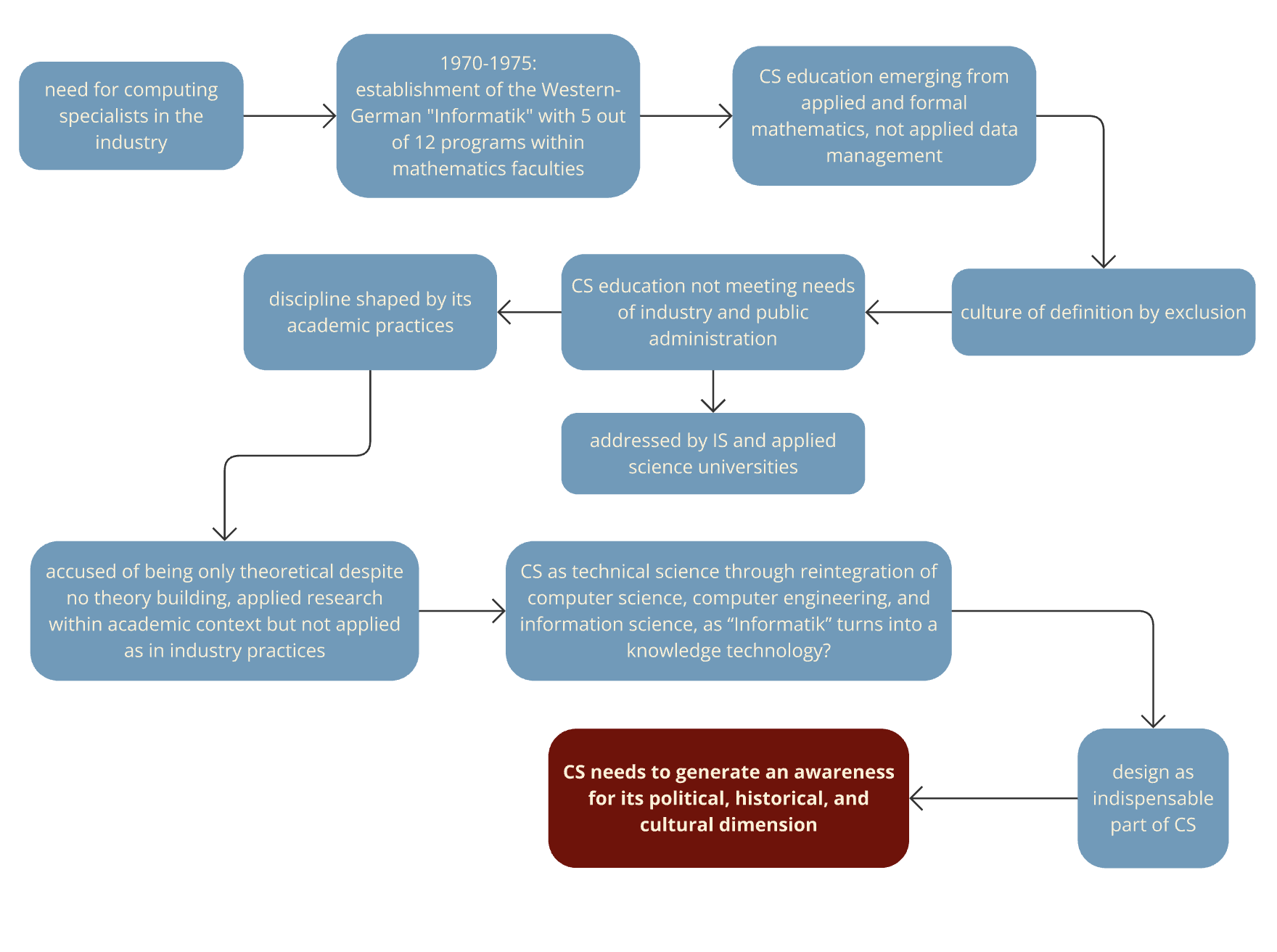
Following Coy’s [2004] account of computing as a discipline in Germany, the relation between computing as a discipline and computing as an industry offers an entry point into examining how computing got into a crisis as well as how it might come out of it.
The emergence of computing as a discipline is related to the need for computing professionals within industry and administration. From this, “Informatik” was established in West-Germany between 1970-1975, with 5 out of its 12 programs being situated within mathematics faculties. Here, it is interesting to note that computer science education emerged from applied and formal mathematics, not applied data management practices [26]. Driven by a culture of definition by exclusion, computer science graduates did not meet the needs of the industry and public administration in terms of skills learned. Later on these shortcomings would be picked up by information science curricula and applied science universities [26]. Early German Informatics was, accordingly, a discipline shaped by its academic practices, thus often accused of being too theoretical – despite not engaging in theory building. Informatics did applied research within its academic context, but not in terms of industry practices [26]. Over time, computer science positioned itself partly as a technical science, through the reintegration of computer science with computer engineering and information science, aligning “Informatik” with knowledge technology and design as an indispensable part [26]. In his conclusion on the emergence of “Informatik” in German universities, Coy [2004] already urged computer science’s need to generate an awareness for its political, historical, and cultural dimensions – an aspect we aim to pick up and develop further with the carrier bag theory of computing.
As an outsider looking in, the story of computing (and computer science as a discipline) focuses on its pioneers and fathers of technologies which – for the most part – tell a white, patriarchal, imperial, and upper class story, a classic individualist hero story. At the same time, computing describes itself as far reaching and interdisciplinary, a so-called bridging discipline [11]. But there seems to be a difference between stories from within and stories looking inside. The artifacts of computing and their impact are no longer the sole domain of computer scientists. As nearly no domain has been left untouched by digital technology in the last ten years and for many decennials to come [32], a manifold of critical perspectives have been offered. Critical – not destructive – insights have been offered from the fields of platform studies, new media studies, critical data studies or critical algorithm studies, and, of course, the “Informatik und Gesellschaft” [Eng. “Informatics and Society] strand of the German computing community, to only name a few. But there seems to be a barrier – the bridging doesn’t go both ways.
Maybe it is the habitual overconfidence, Coy [2004] ascribes to computing as a discipline and industry? Computing’s understanding of interdisciplinarity often seems rooted in providing technological solutions for use-cases in other disciplines [32] – a bridge in the form of a one-way street. This stronger, faster, higher attitude can currently be observed in the “because we can” approach to artificial intelligence development. Following Collin Jennings [2024] examination of the linkless internet, with AI summaries and chatbots giving anonymous summaries of knowledge, content, and information, we are returning to a god trick and all-knowing narrator [34], who provides objective and neutral knowledge that resembles a patronising of users. This narrator though – most of the times as white and male as the heroes of computing’s killer stories – does not reflect the full bandwidth of contributions to the history of computing.
The Gendered History of Computing
Technology (and computing) are pervaded by assumptions about gender. Not just when it comes to the marketing of household technologies or pink tax [35]. Technology, and specifically software and computing, have a gendered and military history shaped by hierarchy, and command structures [36].
The Programmers of the ENIAC²
Frances Elizabeth Snyder (married Holberton)
Kay McNulty (married Mauchly Antonelli)
Marlyn Wescoff (married Meltzer)
Ruth Lichterman (married Teitelbaum)
Betty Jean Jennings (married Bartik)
Frances V. Bilas (married Spence)
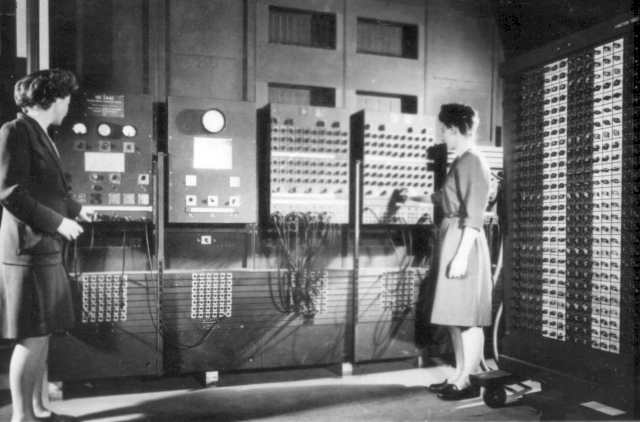
Let’s draw a quick sketch of the origins of the computer: Before complex calculations were solved by machines, the first computers were young women. With a background in mathematics, these women were believed to be a good fit for the repetitious and clerical tasks of producing ballistic tables for weapon systems during World War 2. Some of these women later were promoted to programmers and given the task to prepare and program the Electronic Numerical Integrator and Computer - nicknamed ENIAC [36]. Breaking down calculations into small yes/no decisions without any manuals or precedents, they shaped the ENIAC’s operation before they even got to the machine [36].
Similar to the women of the ENIAC, there was a fluidity between operator and machine when working with the British Colossus. When a male analyst – the one who knows the mathematical problem to solve – recalled working with the Colossus as enabling a man-machine synergy, he conflated the female operator and machine, while still relying on the operator’s ability to translate the analyst’s orders into changes in the machine program [36]. While commands therefore seem to build the basis for a human-machine conflation, Chun [2011] remarks that “one could say that programming became programming and software became software when the command structure shifted from commanding a ‘girl’ to commanding a machine” [36, p. 29].
So while the women of the ENIAC contributed significantly to its programming and shaped its functioning, programming and computing shifted in terms of its gendered and clerical character with its ambition of becoming an academic and engineering field outside of its military context [36].
Similarly – and historically set before to the programming of the ENIAC – women were involved in the operation and keeping-functioning of communication technology as well. Be it as typists or switchboard operators, women filled an increasing demand within the growing capitalist industry and government bureaucracies in the late nineteenth century. Similarly, this workforce was valued for their perceived “docile” nature and easier ways of exploiting them with low wages [37].
Our contemporaries in programming and computing are also not free of gendered assumptions regarding docility, clerical work, and administrative suitability. These assumptions live on in AI voice assistants defaulting to a female-representing voice. Reacting to hints in assistant’s voices, users might apply categorisations and biases, reproducing stereotypes of gendered labour [38]. Therefore Cortana, Alexa and Co. with their gendered names and voices follow in the footsteps of their ancestor ELIZA. The famous therapist chatbot is a prime example of how artifacts –particularly software – have social and cultural lives shaped both by their material circulation, and the narratives that develop around them [38]. Gendered representations in chatbots [38] have followed us since ELIZA, through the Loebner Prize, and now in assistants like Alexa and artificial intelligence models such as Claude. The same tendencies can be seen in popular media on artificial intelligence, take, for example, the films “HER” [169] or “Ex Machina” [170].
The history of computing is deeply entangled with gender, reflecting broader social and cultural dynamics about labour, technology, and professionalisation. What was once seen as “women’s work” went through a masculinisation process based on the professionalisation of computing. Nevertheless, as we can see in the design of contemporary AI systems and voice assistants, these gendered histories continue to shape how we interact with technology, reflecting the ongoing tensions between gender, labour, and technological progress.
There then seems to be a disconnect between the patriarchal killer stories of the pioneers of computing (or technology in general) and those, that shape, work with, and care for these technologies. And this does not even begin to touch on the intersections of gender, race, class, and disability.
Intersections of Gender & Race
Speaking of intersections, the history of technological advancements has a track record of hiding the contributions of marginalised groups. While it already took a long time to acknowledge the contributions of women to early computing, the work done by Black women went without recognition even longer. This is indicative of the interlocking systems of oppression Black women face not only in the field of computing.
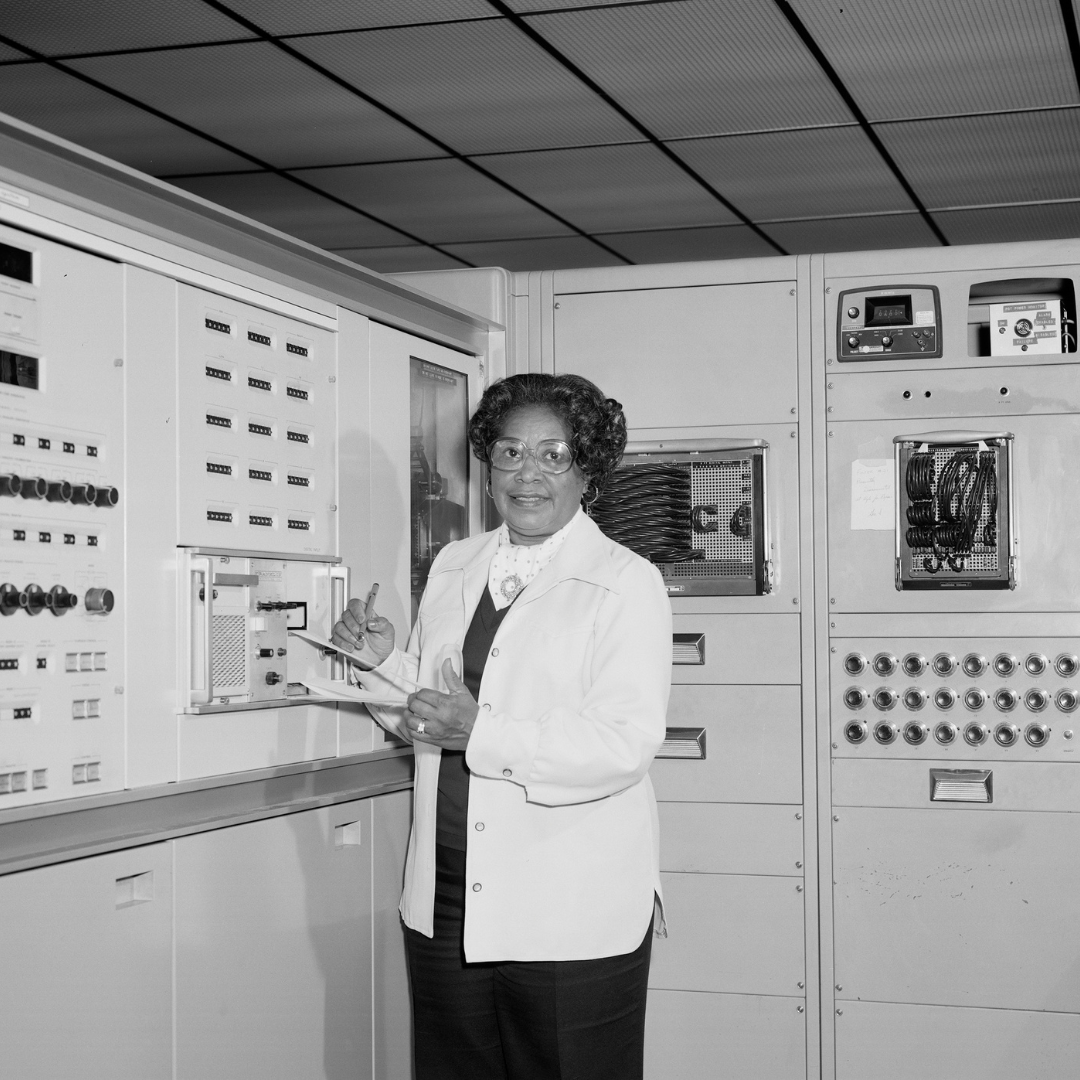
While the work of the programmers of the ENIAC was only acknowledged in 1997, it took a non-fiction book in 2016 and major movie production in the same year to make visible the contributions of Black women to the early space flight programs of NASA [39]. In a sense, it, once again, took a killer story.
In 1935 America, the demand for mathematicians for aeronautical advancement was met by a workforce made up from women. Named the “West Computers” based on the area on the research complex they were located at, the contributions of Black women have been missing from the prevalent stories on this “female achievement” [40]. Living in a time of segregation in- and outside of the workplace and during the civil rights movements, these women had to fight battles against separate bathrooms, and restricted meeting access, while at the same time struggling with the housing situation, lacking the support their White counterparts received [40].
Despite these hurdles, the West Computers were at the centre of the scientific advancement of Langley Memorial Aeronautical Laboratory, working through the flight equations of wartime planes to make them faster and safer. Some left their position as computer, such as Katherine Johnson, who worked on the trajectory calculations of the Mercury and Apollo missions [40].
Besides calculating trajectories for spaceflight, more gendered labour has been rendered invisible at NASA: Engaging in what Daniela K. Rosner [2018] describes as weaving, women were responsible for threading wires through magnetised cores to weave together the information storage system or core memory required for the Apollo missions. The making invisible and reducing of “girls” contributions still remains the dominant voice in the narratives of the Apollo missions [41].
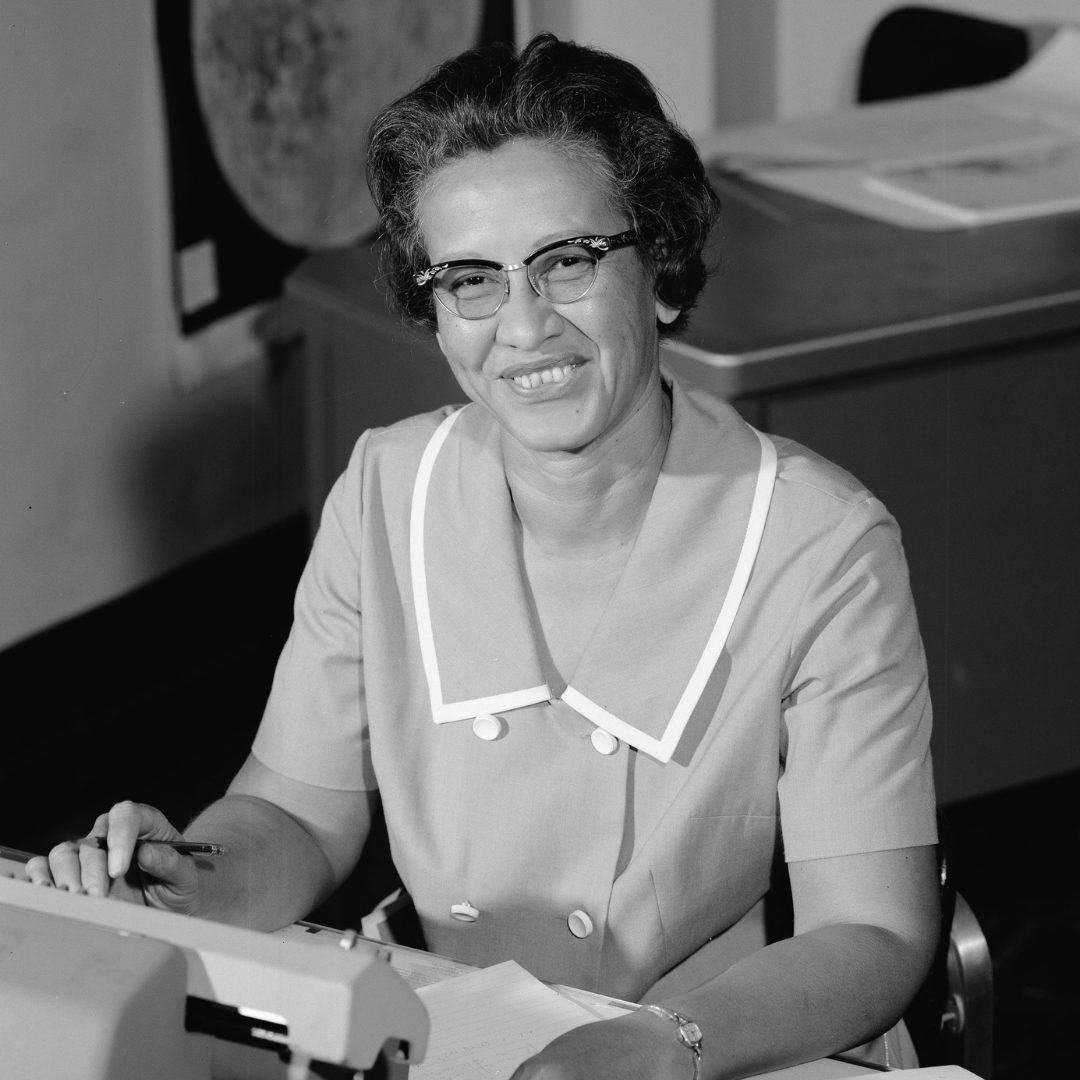
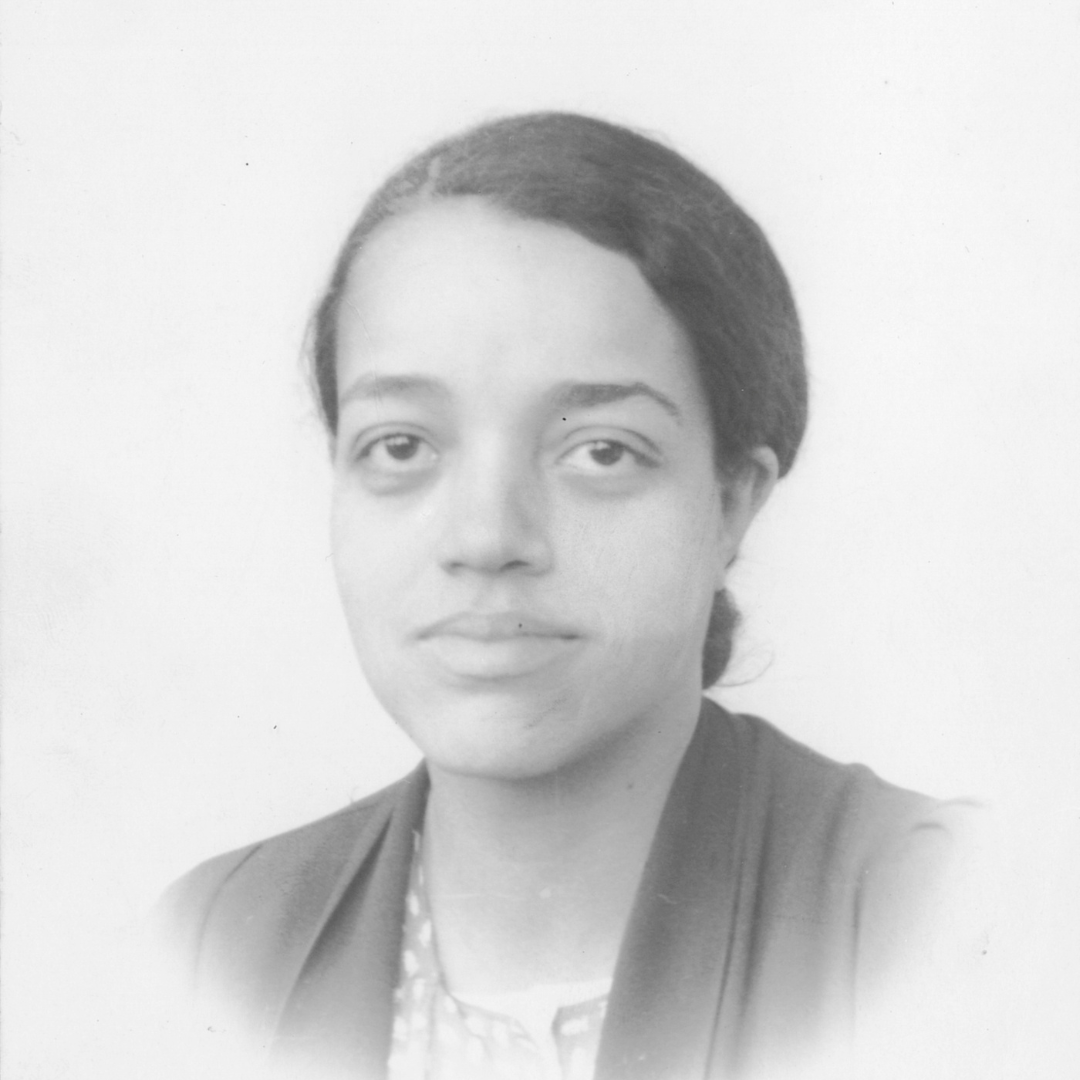
Specifically in HCI, the notion of intersectional computing was proposed to focus on the question of how we might “approach computing in a way that honours intersections more broadly” [42]?
With the concept of intersectional computing, Thomas et al. [2018] provide an approach for a more complex understanding of the experiences at the intersections of race, gender, class, disability, etc. that marginalised groups in computing face. Paying attention specifically to the experience of Black women from their own standpoint and lived experience, Rankin and Thomas [2020] highlight how this group often falls through the cracks of gender-focused interventions in computer science.
The social inequalities within the field of computing are held up by the maintained invisibility and false messages about the contributions of Black women. This exclusion of their ideas, inventions, and experiences case them into the role of outsiders-within, pushing Black women to the periphery, where they are relegated to observation but not being fully part of the White privileged world of computing [39]. Micro-level oppression during personal experiences and macro-level oppression in the form of White supremacy need to be addressed, applying intersectional computing, to understand the barriers and discrimination faced by marginalised populations [39]. Here, Rankin and Thomas [2020] clearly locate the responsibility with the institutions and those with power to address the current power structures in computing.
¹ Do we think we have left this pre-paradigmatic status? Should it even have to? If computing is ever-shifting and always developing, how fast could a disciplinary paradigm even keep up?
² Why are they the women of the ENIAC (or ENIAC girls) and not pioneers?
Threads Mentioned on this Page: